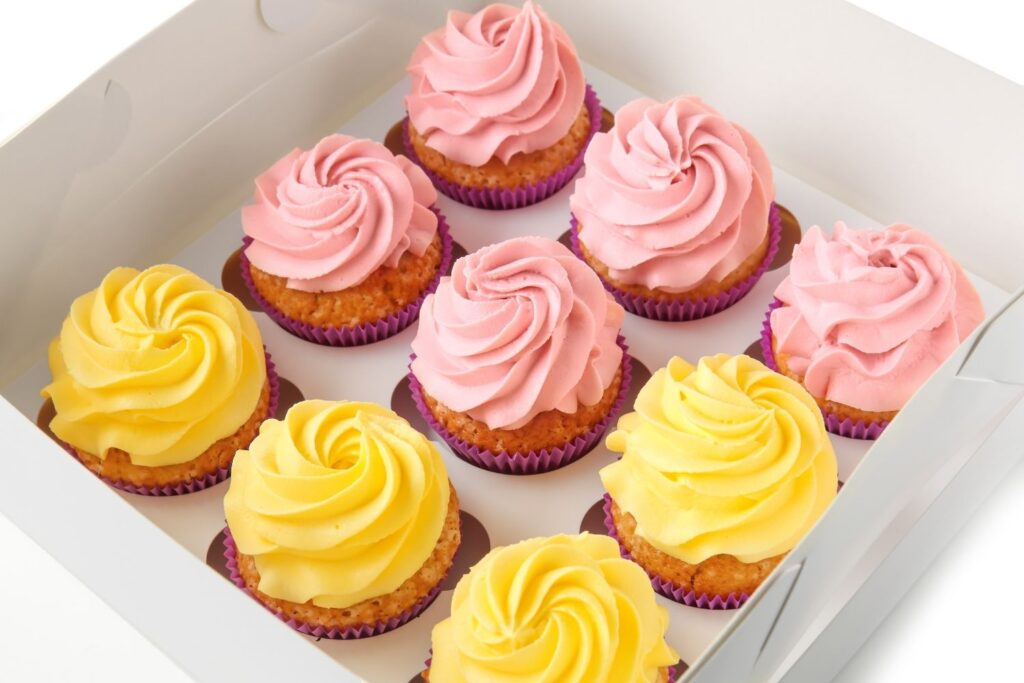
It is an art and science to bake perfect cupcakes. While it may seem simple, it takes attention and care to achieve consistently fluffy, light and delicious results. These 10 tips will help you achieve cupcake perfection.
1. Room temperature ingredients:
Imagine trying to combine butter and sugar without a lot of effort. The result is a lumpy batter. Uneven mixing can result in dense and tough cupcakes. Ingredients that are at room temperature, such as butter, eggs and dairy products (such as milk or buttermilk), will emulsify better.
- Butter: When butter reaches room temperature (18-21degC or 65-70degF), it becomes pliable. It can then be creamed together with sugar to form air pockets. The air pockets created by the sugar crystals cutting through the butter to incorporate air are essential for a light, airy texture. Cold butter will not incorporate air correctly, resulting in a denser crumb.
- Eggs: At room temperature, eggs will blend into the batter more easily and contribute to a homogeneous mixture. Cold eggs may cause butter to solidify, preventing the addition of air.
- Dairy : Similar in function to eggs, buttermilk or milk at room temperature will easily incorporate, ensuring an even batter and distribution of moisture. Cold dairy products can lower the temperature of the batter and affect the leavening.
How do you achieve room temperature? Prepare ahead by taking butter and eggs from the fridge at least 30-60 mins before baking. You can fix the problem faster by placing cold eggs into a bowl with lukewarm water (not hot!). For a few moments, place the eggs in lukewarm (not hot!) water. You can soften butter by cutting it up into small cubes and microwaving in short bursts. Be careful not to melt the butter.
2. How to Cream Butter and Sugar:
Butter and sugar are the key ingredients to creating fluffy and light cupcakes. It’s not just about mixing ingredients, but also about adding air to the batter.
- Technique: Use a stand mixer or hand-mixer to beat butter and sugar on medium speed, until mixture is pale yellow. This takes about 3-5 minutes. You should notice a noticeable increase in volume.
- Why is it important? As the sugar crystals are beaten in to the butter, they create air pockets. These air pockets expand when baked, giving the cupcake a light and airy texture. This step must be done correctly to ensure that the air is incorporated. If you undercook it, your cupcakes will become denser. Over-creaming cupcakes isn’t a problem, but make sure the mixture does not become oily.
3. It is important to measure accurately:
Baking is an art, and accurate measurements are essential for consistent results. By eyeballing the ingredients, you can create an imbalance in the batter that will affect the texture, the rise and the overall outcome of the cupcakes.
- Dry ingredients: Use a dry measuring cup for flour, sugar and baking powder. Use a straight edge to level the excess after you have poured the dry ingredient into the measuring cup. Avoid scooping straight from the container as this will compress the ingredients and cause you to use too much.
- Liquid ingredients: Use liquid measurement cups for liquids such as milk, oil or extracts. Fill the cup to the line marked, and check at eye level.
- Weighing ingredients: To get the best results, use a kitchen scale when weighing your ingredients. This is especially true for flour. This will eliminate the variations that can be caused by using different measuring methods.
4. The Gentle Fold: How to Avoid Overmixing:
It is important to only mix the ingredients together until they are just combined. Overmixing can develop the gluten in flour which results in rubbery, tough cupcakes.
- Technique: Mix the ingredients on low speed after adding the dry to the moist. Continue mixing until there are no more flour streaks. Mix the batter by hand using a spatula. Gently fold in the batter to ensure that everything is incorporated. Do not worry if there are a few lumps. They will disappear when baking.
- Why is it important? A protein found in flour, gluten forms elastic strands after being hydrated and stirred. Although some gluten is required for structure, excessive mixing can lead to an excess of gluten. This results in a dense, chewy texture, which is the opposite of what you want in a cake.
5. Ingredients of high quality make a difference:
Your cupcakes’ flavor is directly affected by the quality of your ingredients. You don’t have to buy the most expensive ingredients, but choosing high-quality butters, vanilla extracts, and cocoa (if you use it) will improve your final product.
- Butter: Choose unsalted butter to control the amount salt in your recipe. Butter of good quality has a high fat content that contributes to the flavor and texture.
- Vanilla extract: Use vanilla extract pure instead of imitation vanilla to get a richer, more nuanced taste.
- Cocoa powder: Use high-quality, unsweetened cocoa for chocolate cupcakes. Dutch-processed chocolate has a less acidic, smoother flavor. It also has a darker colour compared to natural cacao.
6. Filling Cupcake Liners Correctly:
How much batter you put in each cupcake liners will determine the size and shape. Underfilling will result in flat and dry cupcakes. Overfilling may cause the tops to be distorted.
- The sweet spot: Fill your cupcake liners between two-thirds and three-quarters of the way full. It is important to leave enough space for the cupcakes so they can rise without spilling out the sides.
- Tools to help with precision: A large cookie or ice-cream scoop can be used to dispense the batter in each liner at a consistent amount.
7. Consistent Oven temperature is key:
For even baking, it is important to have an accurate oven temperature. The cupcakes may not cook evenly if your oven temperature is too high. The cupcakes may spread or dry out if the oven is too cool.
- Oven thermometer: Buy an oven thermometer and ensure that your oven is heated to the right temperature. Many ovens do not have accurate calibration.
- Preheating : Always preheat your oven to the temperature specified before placing the cupcakes in. It will ensure that they begin baking and rising immediately.
8. Do not open the oven door too early:
Avoid peeking inside the oven too often during baking. Open the oven door to release heat. This can cause temperature fluctuations, which could lead to sunken cakes.
- Patience Is a Virtue: Do not check for doneness until you have reached the baking time specified by your recipe.
- Visual cues: Look out for visual clues such as lightly golden edges or a domed-top.
9. How to Check for Doneness:
It is important to know when your cupcakes have reached the perfect baking temperature. Underbaked cupcakes are gooey and dry, while overbaked ones are crumbly.
- The Toothpick Test: Insert an uncontaminated toothpick in the middle of a cake. The cupcake is ready if it comes out with moist crumbs or clean. If the batter is wet, you need to give it more time.
- Gent Press: The top of the cupcake can be gently pressed. If the cupcake springs lightly back, it is likely to be done.
10. Cooling completely before Frosting:
Once again, patience is needed! Let your cupcakes cool down completely on a rack before frosting. Frosting warm cupcakes can cause the frosting to slide and melt, creating a messy appearance.
- Initial cooling in the Pan: Allow the cupcakes to cool down in the muffin pan for a couple of minutes after they are removed from the oven. It allows the cupcakes to cool down and make it easier to move them onto a wire rack.
- Cooling Completely on a Wire rack: Place the cupcakes onto a wire rack for an even airflow. This will prevent the bottoms of the cupcakes from getting soggy. Before frosting, make sure they’re completely cool.